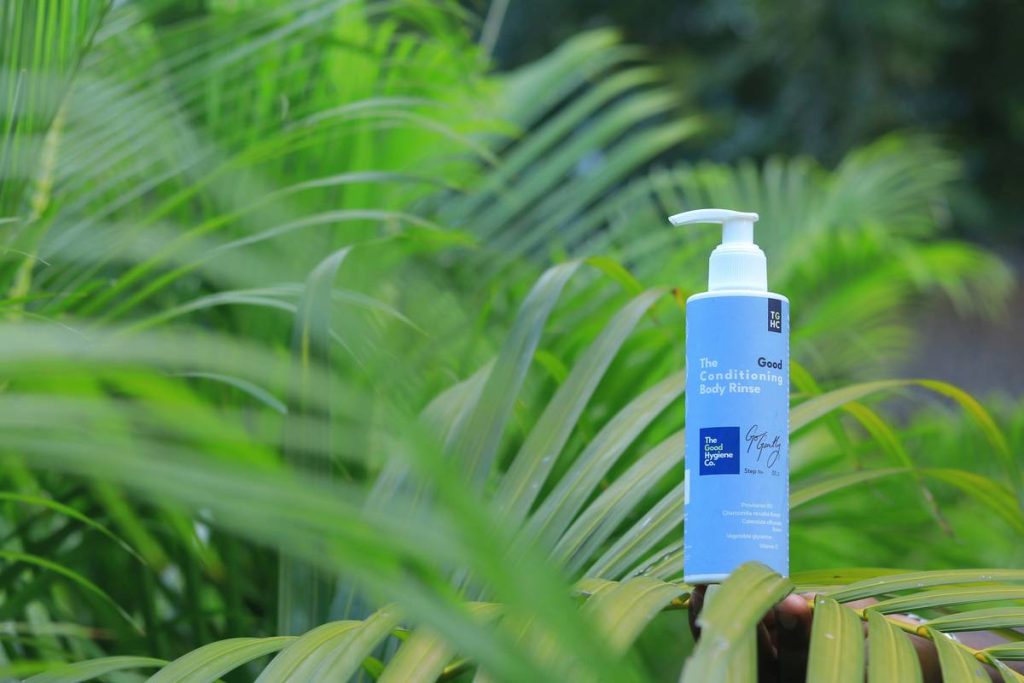
Flaky patches. Tightness after every rinse. That dull, lifeless look no serum can fix. Sound familiar? Most people blame dry climates or aging—but the real culprit is often hiding in their shower caddy: a cheap bath and body wash shower gel loaded with sulfates, alcohols, and artificial fragrances that strip natural oils faster than you can say “moisturize.” The solution isn’t just switching brands—it’s rethinking your entire cleansing philosophy.
The Harsh Truth About Standard Shower Gels
Mass-market formulas prioritize lather over skin health. They foam like champagne—impressive, but empty. And that bubbly rush? It’s usually sodium lauryl sulfate (SLS) tearing through your lipid barrier. Your skin doesn’t need a deep clean. It needs balance.
Here’s the reality: cleansing shouldn’t feel like you’re scrubbing a kitchen counter. Yet most drugstore options treat skin like porcelain tile—aggressive, abrasive, and utterly indifferent to pH. Over time, this leads to irritation, microbiome disruption, and increased sensitivity. You’re not dirty—you’re being over-cleaned.
How to Choose & Use the Right bath and body wash shower gel
Forget “natural” claims slapped on bottles. Real efficacy lies in formulation science—and smart usage habits.
Check the surfactant stack
Avoid SLS, SLES, or anything ending in “-eth” as a primary cleanser. Look instead for gentle amphoteric or non-ionic surfactants like cocamidopropyl betaine or decyl glucoside. These lift dirt without wrecking your acid mantle.
Match your skin type—not your mood
That coconut-vanilla burst might smell vacation-ready, but if it lacks ceramides or glycerin, it’s useless for dry or eczema-prone skin. Oily types? Steer clear of heavy oils—opt for lightweight humectants like hyaluronic acid or panthenol.
Rinse smarter, not longer
Luke-warm water only. Hot showers dilate pores and accelerate moisture loss. And never scrub with loofahs or harsh brushes—your hands are gentler and more effective.
| Formula Type | Cleansing Power | Skin Compatibility | Price Range (per oz) |
|---|---|---|---|
| Sulfate-heavy gels | ★★★★★ | Poor (disrupts barrier) | $0.10–$0.30 |
| Gentle syndet bars | ★★★☆☆ | Excellent (pH-balanced) | $0.40–$0.75 |
| Hydrating bath and body wash shower gel | ★★★★☆ | Great (with humectants) | $0.50–$1.20 |
| Foaming oil cleansers | ★★★☆☆ | Best for dry/sensitive | $0.90–$2.00 |
The Industry Secret: “Cleansing Creams” Are the Future
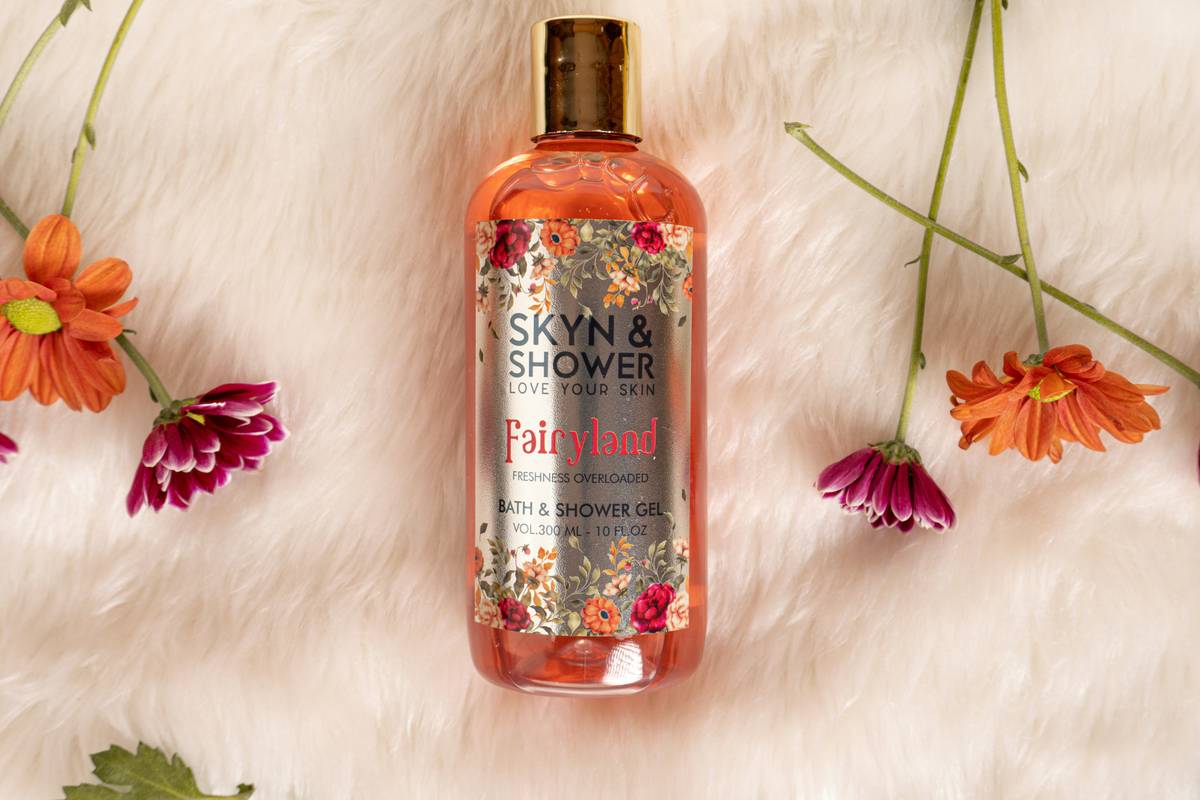
Top dermatologists and formulators I’ve worked with off-record admit something few brands will: true hydration starts *during* cleansing—not after. That’s why luxury labs are quietly shifting toward “cleansing creams”—hybrid formulas that emulsify dirt while depositing lipids in real time.
Think of it like this: traditional shower gel removes oil. Cleansing cream exchanges bad oil for good oil. The difference? One leaves skin bare. The other leaves it armored. Brands like Aesop and Youth to the People have led this, but now even mid-tier lines are catching on. Watch for keywords like “prebiotic,” “barrier-support,” or “rinse-off moisturizer” on labels—they signal this new generation.
But don’t wait for big beauty to catch up. You can mimic the effect today: mix 1 pump of your favorite hydrating bath and body wash shower gel with 2 drops of squalane oil in your palm before lathering. Instant upgrade—no markup required.
Frequently Asked Questions
Is bath and body wash shower gel the same as body wash?
Technically, yes—but marketing blurs the line. “Shower gel” often implies stronger detergents for oily skin, while “body wash” leans creamy. Always read ingredients, not labels.
Can shower gel cause acne?
Absolutely. Fragrance, comedogenic oils, or harsh surfactants can clog pores or disrupt sebum balance—especially on the back and chest. Switch to non-comedogenic, fragrance-free formulas if breakouts persist.
How often should you use bath and body wash shower gel?
Daily is fine—if it’s pH 5.5 and sulfate-free. But if your skin feels tight or itchy, limit use to every other day and rinse with water on off days. Less is often more.