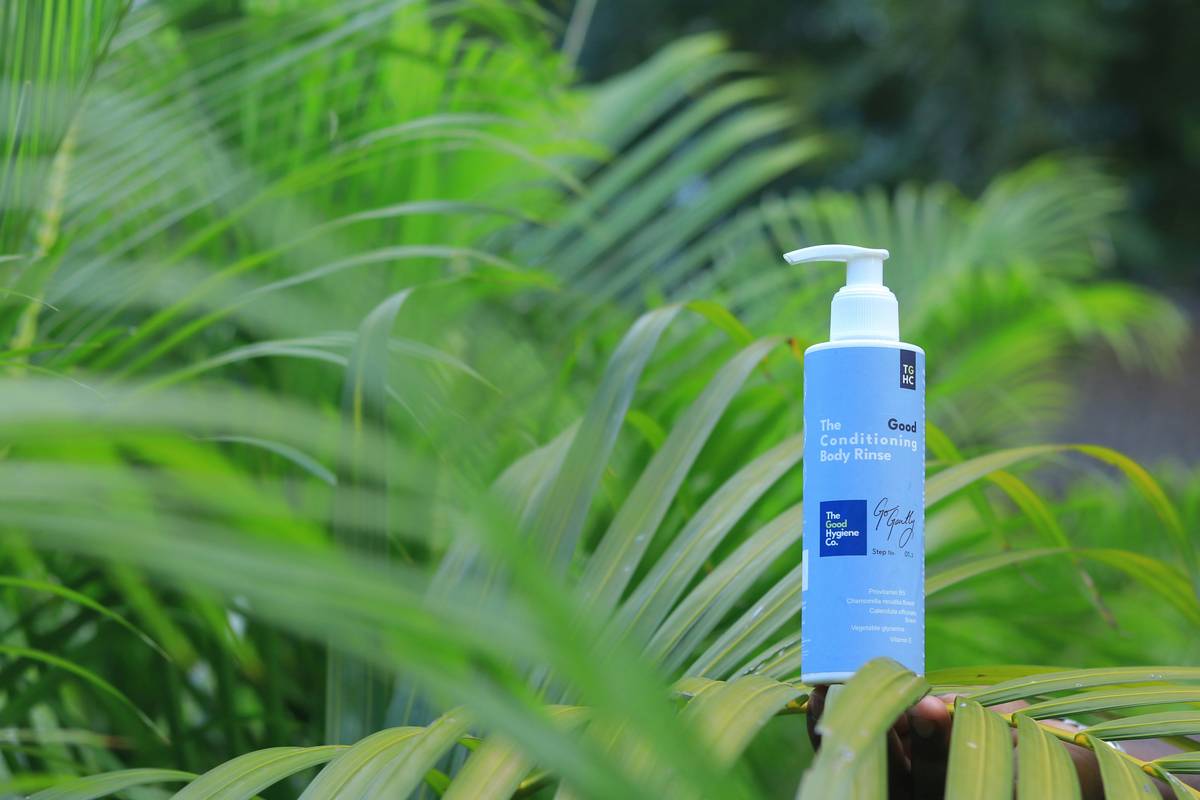
You lather up daily. You smell clean. But your skin feels tight, dry, or weirdly itchy by noon. That “fresh” sensation isn’t freshness—it’s stripping. Most body wash shower gel for women on drugstore shelves are little more than fragranced detergents masquerading as skincare. They disrupt your acid mantle, accelerate moisture loss, and invite irritation—especially if you have sensitive or reactive skin. The fix isn’t switching brands blindly. It’s understanding what actually belongs in a shower gel that respects your biology.
The Harsh Truth About Conventional Body Washes
Let’s be blunt: the beauty aisle is full of suds that sabotage you. SLS (sodium lauryl sulfate) and its cousins create that satisfying foam—but they also yank lipids from your stratum corneum like a vacuum cleaner set to “maximum extraction.” And those synthetic fragrances? They’re leading culprits behind contact dermatitis. Dermatologists see this weekly: women with eczema flares traced back to their “gentle” mango-coconut shower gel.
Worse, many products labeled “moisturizing” load up on silicones or mineral oil—they sit on top of your skin like plastic wrap, giving a false sense of hydration while clogging pores below. You’re not cleansing. You’re coating.
How to Choose & Use a Truly Skin-Smart Body Wash Shower Gel for Women
It’s not about avoiding all cleansers. It’s about selecting ones that work *with* your skin—not against it. Here’s your actionable framework:
Prioritize pH-Balanced Formulas
Your skin’s natural pH hovers around 5.5. Alkaline soaps (pH 9–10) destroy beneficial microbes and compromise barrier function. Look for labels that explicitly state “pH 5.5” or “acid-balanced.” If it doesn’t say it, assume it’s wrong.
Check the Surfactant Stack
Swap sulfates for gentler alternatives like sodium cocoyl isethionate, decyl glucoside, or coco-glucoside. These lift dirt without denaturing proteins in your skin. Bonus points if the formula includes amino acid-based surfactants—they cleanse while reinforcing hydration.
Embrace Functional Moisturizers—Not Fillers
Real moisture comes from humectants (glycerin, hyaluronic acid), emollients (squalane, ceramides), and occlusives used sparingly (like shea butter). Avoid petrolatum-heavy gels unless you’re treating extreme xerosis—and even then, only post-shower.
Master the Lather Technique
Less is more. A quarter-sized dollop is plenty for your entire body. Apply to damp (not soaking wet) skin, massage gently for 20 seconds max, then rinse thoroughly. Hot water? Keep it lukewarm. Heat opens pores but also amplifies trans-epidermal water loss.
| Ingredient Type | Skin Benefit | Avoid If You Have… |
|---|---|---|
| Sodium Cocoyl Isethionate | Gentle cleansing, maintains moisture | No known contraindications |
| Ammonium Lauryl Sulfate (ALS) | Strong degreasing action | Eczema, rosacea, dryness |
| Fragrance (Parfum) | None—purely aesthetic | Sensitive or allergy-prone skin |
| Beta-Glucan | Calms inflammation, boosts repair | None—beneficial for all |

The Industry Secret No Brand Wants You to Know
Here’s something formulators whisper in labs but never put on labels: most “luxury” shower gels are diluted versions of cheap base formulas. The difference between a $6 bottle and a $28 one often boils down to perfume concentration and packaging—not efficacy. A senior chemist once told me her team was instructed to add “just enough oat extract to claim ‘soothing’ on the front label,” while keeping costs under $1.20 per liter. The math is simple: if hydration or barrier support were truly prioritized, these products would feel thicker, lather less dramatically, and carry a higher price due to active ingredients—not marketing markup. Don’t chase “premium” branding. Chase transparency. Demand ingredient lists where actives appear in the top five.
Frequently Asked Questions
Can body wash shower gel for women cause acne?
Yes—especially on the back, chest, and shoulders. Heavy silicones, coconut oil derivatives, and comedogenic emulsifiers can clog follicles. Opt for non-comedogenic, gel-based formulas if you’re prone to body breakouts.
Is bar soap better than liquid body wash?
Not inherently. Traditional bar soaps are often too alkaline. But newer syndet bars (synthetic detergent bars) with pH 5.5 can outperform many liquid gels—check the label before assuming.
How often should I use body wash shower gel for women?
Daily is fine—if the formula is gentle. But skip it on arms and legs if you’re not sweaty or visibly soiled. Over-cleansing areas with fewer sebaceous glands leads to unnecessary dryness.